A Look at the 5 Biggest Trends in Cruise Sailings This Year
Cruises have come a long way from the days when they were seen as floating retirement homes with endless buffets and shuffleboard. In 2026, the industry is booming like never before—CLIA forecasts around 39.6 million passengers sailing this year, up from 34.6 million in 2024. I’ve been cruising since the early 2000s, back when ships felt more like hotels on water than adventure platforms. My first real eye-opener was a week in the Caribbean on a mid-size ship; it was fun, but predictable. Fast-forward to now, and every sailing feels different because trends are shifting fast toward personalization, sustainability, and experiences that actually stick with you long after you unpack.
This year stands out for how younger travelers are reshaping everything, from shorter getaways to remote destinations. Demand is strong during Wave Season (January-March bookings), with Americans alone expected to hit 21.7 million cruisers. What excites me most? The blend of luxury innovation and thoughtful changes that make cruising feel fresh again.
1. The Rise of Private Islands and Exclusive Beach Clubs
Private islands have evolved from nice add-ons to the main event for many sailings. Lines like Royal Caribbean with Perfect Day at CocoCay, Norwegian with Harvest Caye, and Disney with Lookout Cay are pouring millions into these spots, turning them into full-day paradises with water parks, cabanas, and overwater bars.
Expedia’s Wave Season data shows private destinations driving huge interest, especially paired with Caribbean and Mexico routes surging in popularity. On my last trip to CocoCay, I spent the day in a private cabana watching my kids zip-line while I sipped a cocktail—zero crowds from the ship overwhelming the space. It felt exclusive, like we had our own island.
Pros of Private Islands
- Controlled crowds and premium amenities
- Family-friendly thrills (slides, beaches, wildlife encounters)
- Easy all-in-one day without tendering hassles
Cons of Private Islands
- Can feel commercialized compared to authentic ports
- Extra fees for top-tier experiences like cabanas
These spots let lines extend “at sea” time while giving passengers a reliable wow factor.
2. Shorter Cruises and Quick Getaways Gaining Momentum
Three- and four-night sailings are exploding—up 60% and 30% year-over-year in some reports. Busy lives mean people want escapes without using two weeks of vacation. Caribbean loops from Florida ports dominate, but we’re seeing them in Europe and Alaska too.
I tried a four-night Bahamas run last year and loved how it fit around work. No long flights, quick recharge, back home refreshed. It’s perfect for first-timers testing the waters or couples sneaking away.
Shorter doesn’t mean cheap thrills anymore—many pack in entertainment, dining, and private stops. The trade-off? Less time in multiple ports, but more onboard focus.
3. Luxury, Expedition, and Hotel-Brand Yachts Taking Center Stage
Luxury cruising is growing fast, with the segment’s fleet tripling since 2010 and passenger numbers projected to hit 1.5 million by 2028. Expedition voyages to remote spots like Antarctica or the Arctic are up, appealing to adventure seekers who want small ships and deep immersion.
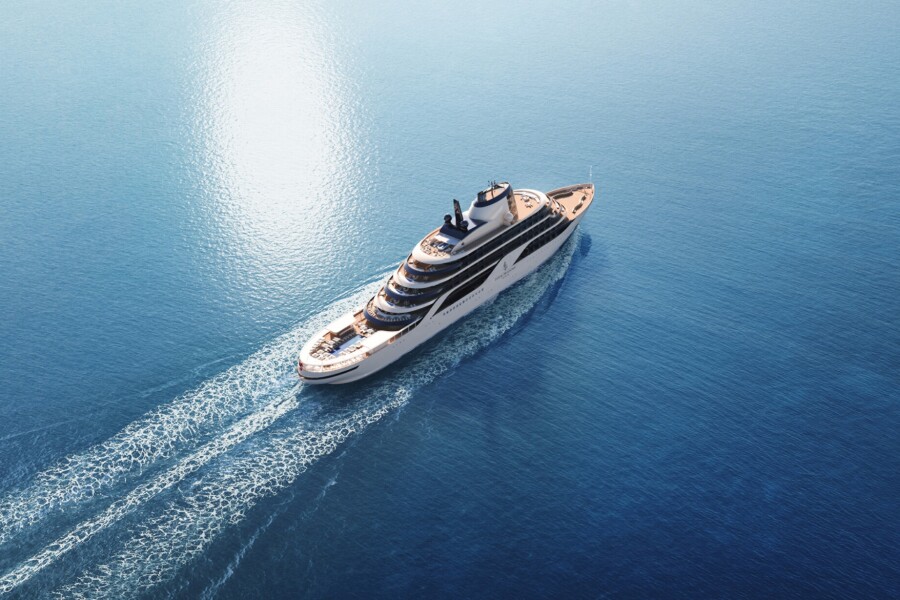
Hotel brands are flipping the script: Four Seasons Yachts debuted its first ship in 2026, Ritz-Carlton continues expanding, and others like Orient Express follow. These ultra-luxury yachts offer all-suite, high space-to-guest ratios, Michelin-level dining, and personalized service.
On a recent small-ship expedition, we kayaked among icebergs—something a mega-ship could never do. It’s pricier, but the intimacy and expert guides make it unforgettable.
Comparison: Traditional vs. Luxury/Expedition Cruises
| Aspect | Traditional Mega-Ships | Luxury/Expedition |
|---|---|---|
| Passenger Capacity | 3,000–6,000+ | 100–1,000 |
| Itineraries | Popular ports | Remote/off-grid |
| Inclusions | Basic + extras | All-inclusive often |
| Focus | Entertainment | Immersion & nature |
| Price Range | Mid-range | Premium-high |
4. Sustainability and Smaller Ships in High-Demand Areas
Overtourism pushes changes, especially in Europe. Ports limit big ships, favoring smaller vessels with longer stays and cultural focus. Brands like Viking, Azamara, Hurtigruten, and Ponant thrive here, emphasizing local exchanges and eco-practices.
New ships feature LNG propulsion, advanced waste systems, and shore power. Travelers demand it—Gen Z cruisers prioritize green options.
I sailed a smaller ship through Norwegian fjords; docking in tiny villages felt respectful, not invasive. We joined local hikes and ate fresh seafood from nearby farms—real connections.
Silent sailings (low-noise periods) and “dry” zones (alcohol-free) appear too, catering to wellness crowds.
5. Gen Z Influence and Diverse, Themed Experiences
Younger passengers (Gen Z up significantly) bring fresh energy. They want Instagram-worthy moments but also authenticity—lesser-known islands, wellness, and social causes. Nautical nostalgia mixes with modern twists like themed sailings (80s revivals, F1 events, solar eclipse chases in August 2026).
Multi-generational groups rise, with youth zones and adult-only areas. River cruises boom for cultural depth.
My niece, 24, dragged me on a themed sailing—DJ sets at night, sustainable excursions by day. It bridged generations perfectly.
People Also Ask
What are the top cruise destinations for 2026?
Caribbean and Mexico lead for warm-weather escapes, while Mediterranean, Northern/Southern Europe, and Alaska see massive growth (up 250%+ YoY in searches).
Are shorter cruises worth it in 2026?
Yes—ideal for busy schedules, with strong entertainment and private stops making them feel full despite fewer days.
Which new cruise ships debut in 2026?
Standouts include Four Seasons I (yacht-style luxury), Norwegian Aqua/Luna, Disney Adventure, and Regent Seven Seas Prestige.
Is luxury cruising becoming more popular?
Absolutely—expedition and hotel-brand options grow fastest, appealing to affluent travelers seeking exclusivity.
How is sustainability affecting cruises this year?
Lines invest in greener tech and smaller ships; passengers favor eco-conscious itineraries, especially in regulated areas like Europe.
FAQ
How many people will cruise in 2026?
Globally around 39.6 million, with 21.7 million Americans—record highs driven by new ships and diverse options. Check CLIA’s site for updates.
Are private islands worth the hype?
For families and relaxation seekers, yes—they offer premium beaches without port crowds, though some prefer authentic local ports.
What’s driving the boom in expedition cruises?
Demand for remote adventures and nature immersion; smaller ships access places mega-ships can’t, with expert-led experiences.
Should I book early for 2026 sailings?
Yes—popular routes like Europe and Alaska sell out fast; early bookings often secure better rates and perks.
Are themed cruises a big trend?
Definitely—everything from sports events to wellness or eclipse sailings adds excitement for niche interests.
Cruising in 2026 feels more dynamic than ever. Whether chasing ice in the Arctic, lounging on a private island, or squeezing in a quick escape, options suit every style and budget. I’ve seen the industry evolve from stuffy to vibrant, and this year captures that shift best. If you’re on the fence, start small—pick a short sailing or expedition add-on. You might just find yourself planning the next one before you disembark.

Leave a Reply